
Can Heart Blockages Return After Bypass Surgery? Causes, Warning Signs and Prevention
Introduction
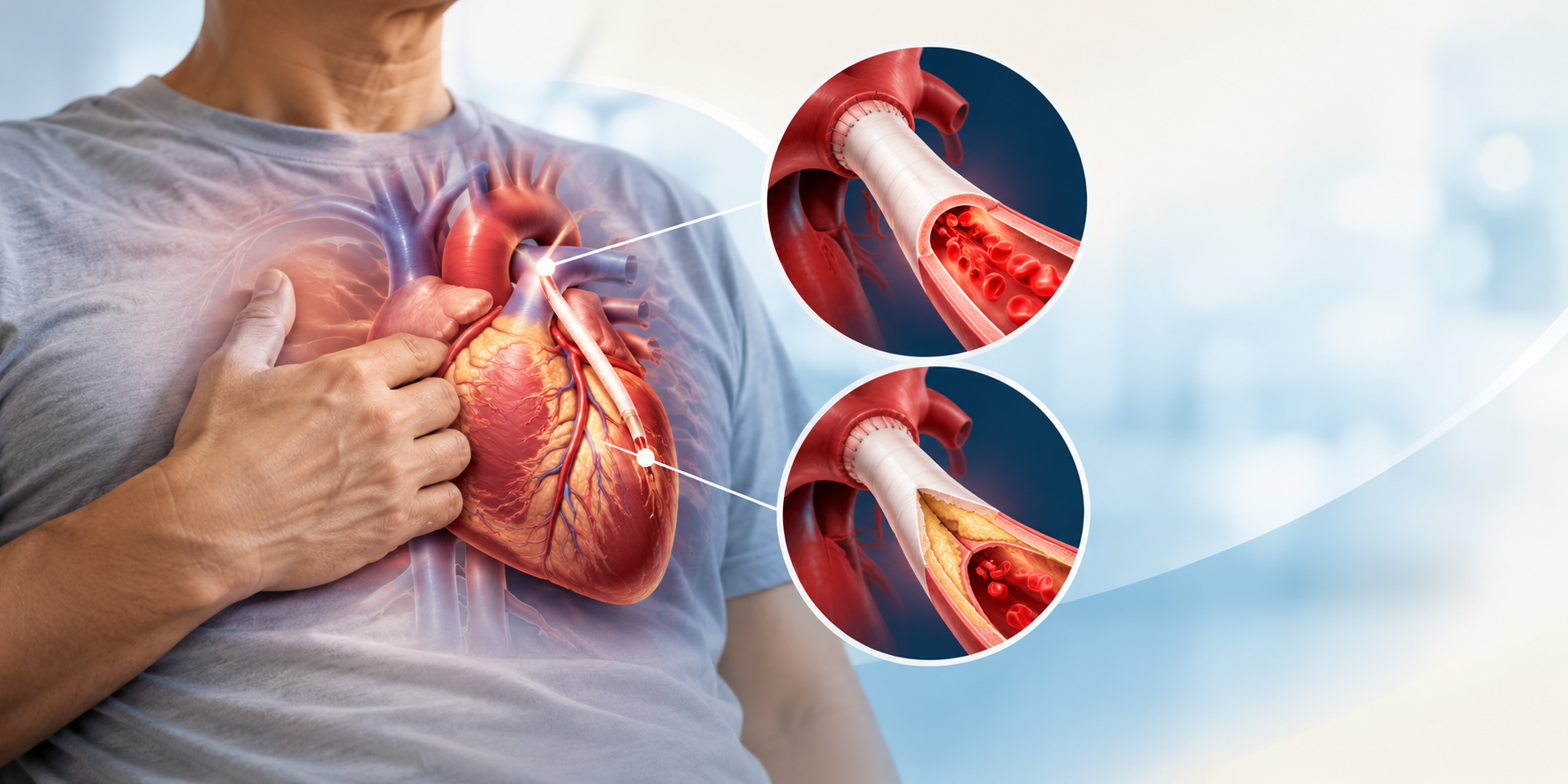
Coronary artery bypass grafting (CABG), commonly known as bypass surgery, is an established treatment for significant coronary artery disease. For many patients, it can relieve symptoms, improve blood supply to the heart and, in selected clinical situations, improve long-term survival.
However, one of the most common questions patients and their families ask after surgery is:
“Can heart blockages develop again even after successful bypass surgery?”
The answer is yes.
Although bypass surgery creates alternative pathways for blood to reach the heart muscle, it does not eliminate the underlying disease responsible for coronary artery blockages.
Over time, new blockages may develop in the patient’s original coronary arteries, while some bypass grafts may narrow or become blocked.
This does not mean bypass surgery has failed. Many patients experience years of improved quality of life following the procedure.
Understanding why blockages can return, recognising possible warning signs and following appropriate preventive measures can help protect long-term heart health.
- What Happens During Heart Bypass Surgery?
The heart receives oxygen-rich blood through the coronary arteries. When these arteries become significantly narrowed or blocked, the heart muscle may not receive sufficient blood, particularly during physical exertion.
During coronary artery bypass surgery, a cardiac surgeon uses a healthy blood vessel from another part of the body to create an alternative route around the blocked section of a coronary artery.
Commonly used grafts include:
- Internal mammary artery: Usually taken from the chest wall and commonly used to bypass the left anterior descending artery.
- Radial artery: Taken from the forearm in appropriately selected patients.
- Saphenous vein: Taken from the leg and used to create one or more bypass grafts.
The choice of graft depends on the patient’s coronary anatomy, clinical condition and surgical strategy.
The internal mammary artery, particularly when connected to the left anterior descending artery, is associated with excellent long-term patency.
However, all bypass grafts require appropriate postoperative care and cardiovascular risk management.
- Can Heart Blockages Return After Bypass Surgery?
Yes. Blockages can develop after bypass surgery through several mechanisms.
- New Blockages in Native Coronary Arteries
Bypass surgery improves blood flow around existing obstructions, but the patient’s original coronary arteries remain susceptible to atherosclerosis.
Atherosclerosis is a progressive condition in which cholesterol-containing plaques and inflammatory changes develop within artery walls.
If cardiovascular risk factors remain uncontrolled, existing plaques may progress and new narrowing may develop.
- Blockage Within Bypass Grafts
The grafts used during bypass surgery can also develop narrowing or obstruction.
This is particularly relevant to vein grafts, which are more susceptible to long-term degeneration than certain arterial grafts.
Graft failure may occur through different mechanisms depending on the time elapsed after surgery.
- Progression of Coronary Artery Disease
Coronary artery disease is generally a chronic condition requiring long-term management.
Even when the original bypass procedure is technically successful, the disease process can continue elsewhere in the coronary circulation.
This is why bypass surgery should be understood as an important treatment for coronary artery disease rather than a permanent cure for atherosclerosis.
- Why Do Bypass Grafts Become Blocked?
Several factors influence the long-term functioning of bypass grafts.
Early Graft Failure
During the first days or weeks after surgery, graft blockage may occasionally occur because of blood clot formation, technical factors or inadequate blood flow through the graft.
Intermediate Graft Failure
Over subsequent months, excessive growth of cells within the vessel wall, known as intimal hyperplasia, may contribute to narrowing, particularly in vein grafts.
Late Graft Failure
Years after surgery, atherosclerosis may develop within vein grafts, resulting in progressive narrowing or blockage.
Arterial grafts generally have better long-term durability than vein grafts, although outcomes depend on several clinical and anatomical factors.
- What Are the Warning Signs of Blockage After Bypass Surgery?
Some patients develop symptoms similar to those experienced before their original bypass surgery. Others may have relatively mild symptoms or no obvious warning signs.
Possible symptoms include:
Chest pain or discomfort: Pressure, heaviness, tightness or burning in the chest, particularly during exertion.
Shortness of breath: Difficulty breathing during activities that were previously comfortable.
Unusual fatigue: Reduced exercise tolerance or unexplained tiredness, particularly when accompanied by other symptoms.
Pain in other areas: Discomfort extending to the shoulders, arms, neck, jaw or back.
Reduced physical endurance: Difficulty walking or climbing stairs compared with previous levels of activity.
Sweating, nausea or dizziness: These may accompany myocardial ischaemia, particularly during an acute cardiac event.
Patients with diabetes, older adults and some other individuals may experience atypical symptoms.
Importantly, these symptoms do not automatically indicate graft blockage. Other heart and non-cardiac conditions can produce similar complaints.
Emergency warning: New or severe chest discomfort, especially with breathlessness, sweating, fainting or pain radiating to the arm or jaw, requires immediate emergency medical attention. Do not wait for a routine appointment.
- How Long Does a Heart Bypass Last?
One of the most frequently asked questions after CABG is whether the bypass will remain functional for the rest of the patient’s life.
There is no fixed lifespan for a bypass graft.
Some grafts remain open and functional for decades, while others may develop narrowing much earlier.
The durability of a bypass graft depends on:
- The type of blood vessel used.
- The quality and diameter of the coronary artery being bypassed.
- The severity and location of the original blockage.
- The patient’s diabetes, cholesterol and blood pressure control.
- Smoking and other cardiovascular risk factors.
- Surgical and anatomical factors.
Internal mammary artery grafts, especially those connected to the left anterior descending artery, generally demonstrate excellent long-term outcomes.
Vein grafts are more susceptible to progressive narrowing and late atherosclerosis.
Therefore, the question is not simply how many years a bypass lasts, but how effectively the patient’s coronary artery disease is managed after surgery.
- Who Is at Greater Risk of Developing Blockages Again?
Certain health conditions and lifestyle factors increase the risk of progression of coronary artery disease after bypass surgery.
Uncontrolled Diabetes
Persistently elevated blood glucose can contribute to vascular inflammation, endothelial dysfunction and progression of atherosclerosis.
High LDL Cholesterol
Elevated LDL cholesterol is a major contributor to atherosclerotic plaque formation. Lowering LDL cholesterol is a central component of secondary prevention.
Smoking and Tobacco Use
Smoking damages blood vessels, promotes clot formation and increases cardiovascular risk. Complete tobacco cessation is particularly important after CABG.
Uncontrolled High Blood Pressure
Persistently elevated blood pressure increases strain on the cardiovascular system and contributes to vascular damage.
Physical Inactivity
A sedentary lifestyle is associated with poorer cardiovascular health and can contribute to weight gain, diabetes and other risk factors.
Not Taking Prescribed Medicines
Stopping antiplatelet medicines or cholesterol-lowering treatment without medical advice can increase cardiovascular risk.
Other important factors include kidney disease, family history, obesity and the overall severity of coronary artery disease.
- Can a Second Bypass Surgery Be Required?
Yes. However, developing a new blockage after bypass surgery does not automatically mean another operation is necessary.
The treatment depends on the severity of the blockage, symptoms, heart function, location of the disease and whether existing grafts remain functional.
Option 1: Medication and Risk-Factor Management
Patients with stable symptoms and appropriate coronary anatomy may be managed using medicines and lifestyle changes.
Treatment may include antianginal medicines, antiplatelet therapy, cholesterol-lowering medication and management of other cardiovascular risk factors.
Option 2: Angioplasty and Stenting
In selected patients, percutaneous coronary intervention (PCI), commonly known as angioplasty, may be performed to improve blood flow through a narrowed coronary artery.
PCI may target a native coronary artery or, in selected circumstances, a bypass graft.
Option 3: Repeat Bypass Surgery
A second bypass operation, also called redo CABG, may be considered when coronary disease is complex, symptoms remain significant despite appropriate treatment, or PCI is unsuitable.
Repeat surgery can be technically more challenging because of scar tissue, existing grafts and changes in the patient’s health.
Current revascularisation guidelines support individualised decisions, often involving a multidisciplinary Heart Team, when patients require further treatment after CABG.
- How Are New Blockages Diagnosed After Bypass Surgery?
If a patient develops symptoms suggesting reduced blood supply to the heart, a cardiologist may recommend further evaluation.
Electrocardiogram (ECG)
An ECG records the heart’s electrical activity and can identify certain abnormalities, including signs associated with acute or previous heart damage.
Echocardiography
An echocardiogram evaluates the pumping function of the heart, its valves and regional wall motion.
Stress Testing
Depending on the clinical situation, stress echocardiography or other functional imaging tests may help identify areas of the heart receiving insufficient blood during exertion or pharmacological stress.
CT Coronary Angiography
CT coronary angiography can provide detailed images of coronary arteries and bypass grafts. It can be useful in selected patients when graft patency needs to be assessed.
Invasive Coronary Angiography
Coronary angiography provides detailed information about the location and severity of coronary narrowing and may be recommended when symptoms or other findings warrant invasive evaluation.
Not every patient requires all these investigations.
Importantly, guidelines do not recommend routine periodic anatomical or ischaemia testing in clinically stable patients with no change in symptoms or functional status solely for risk assessment.
- How Can You Prevent Heart Blockages After Bypass Surgery?
Although the risk of future coronary disease cannot be eliminated completely, several evidence-based measures can substantially reduce cardiovascular risk.
- Continue Prescribed Medication
Following CABG, patients are commonly prescribed medications to reduce cardiovascular events and manage associated conditions.
These may include:
- Antiplatelet medicines, such as aspirin, when appropriate.
- High-intensity or maximally tolerated statin therapy.
- Additional cholesterol-lowering medicines when needed.
- Medicines to manage blood pressure, diabetes, heart failure or angina.
Medication selection and duration depend on individual clinical circumstances.
Patients should never discontinue aspirin, statins or other cardiac medicines without consulting their treating doctor.
- Keep Cholesterol Under Control
Lowering LDL cholesterol is a cornerstone of preventing further coronary events.
Patients with established coronary artery disease generally require intensive lipid management. Their doctor may recommend additional treatment if LDL cholesterol remains above the applicable guideline-based threshold.
- Maintain Good Diabetes Control
Blood glucose management is particularly important for patients with diabetes.
Treatment should be individualised according to age, cardiovascular risk, kidney function and other health conditions.
- Follow a Heart-Healthy Diet
A balanced eating pattern can help manage cholesterol, blood pressure, diabetes and body weight.
Practical Indian dietary choices include:
- More vegetables, fruits and whole grains.
- Dal, beans and other fibre-rich foods.
- Nuts in appropriate portions.
- Limited fried foods, processed meats and foods high in saturated fat.
- Reduced excess salt and added sugar.
Dietary recommendations should be adapted for patients with kidney disease or other nutritional restrictions.
- Stay Physically Active
Regular physical activity supports cardiovascular health.
After bypass surgery, patients should resume exercise according to their surgeon’s and cardiologist’s recommendations.
A supervised cardiac rehabilitation programme can help patients safely rebuild endurance, improve confidence and adopt sustainable lifestyle changes.
- Stop Smoking Completely
Smoking cessation is among the most important steps for reducing the risk of future cardiovascular events.
Avoiding secondhand smoke is also beneficial.
- Maintain Regular Cardiac Follow-Ups
Long-term follow-up allows clinicians to review symptoms, assess risk factors, optimise medication and identify complications when clinically indicated.
Current chronic coronary disease guidelines strongly emphasise healthy lifestyle measures, lipid management, appropriate medication and cardiac rehabilitation.
- Can You Live a Normal Life After Bypass Surgery?
For many patients, the answer is yes.
Successful bypass surgery can improve symptoms and enable patients to return to work, family responsibilities, travel and recreational activities.
However, recovery and long-term outcomes vary according to age, heart function, associated medical conditions and the severity of coronary artery disease.
Patients should follow medical advice regarding physical activity, driving, work and other activities during recovery.
Maintaining a healthy lifestyle and continuing prescribed treatment are important even when a person feels completely well.
A successful bypass operation is an important milestone, but long-term cardiovascular care remains essential.
Frequently Asked Questions
- Can heart blockage return 5 or 10 years after bypass surgery?
Yes. New blockages can develop in native coronary arteries or bypass grafts several years after surgery. However, many grafts remain functional for long periods, particularly internal mammary artery grafts.
- Can bypass grafts become blocked within one year?
Yes. Early graft failure can occur because of thrombosis, technical factors or other mechanisms. The risk depends on the graft type and clinical circumstances.
- What happens if one bypass graft becomes blocked?
The consequences depend on which graft is affected, whether other vessels provide adequate blood flow, and the amount of heart muscle at risk. Treatment may range from medication to angioplasty or, occasionally, repeat surgery.
- Is angioplasty possible after bypass surgery?
Yes. Angioplasty may be an option for selected patients who develop significant coronary narrowing after CABG. The decision depends on coronary anatomy, symptoms and procedural risk.
- Can bypass surgery permanently cure coronary artery disease?
No. Bypass surgery improves blood flow around significant blockages but does not eliminate the underlying atherosclerotic disease.
- Does every patient need another angiography after bypass surgery?
No. Coronary angiography is generally considered when symptoms, clinical findings or other investigations suggest a problem requiring further evaluation.
- Can a patient have a heart attack after successful bypass surgery?
Yes. Although bypass surgery can improve outcomes in appropriately selected patients, it does not eliminate the possibility of future heart attacks.
- What is the best way to keep bypass grafts open?
Taking prescribed medicines, controlling cholesterol and blood pressure, managing diabetes, avoiding tobacco, participating in appropriate physical activity and attending regular follow-ups are central to long-term cardiovascular care.
Conclusion
Heart blockages can return after bypass surgery, but this should not undermine the importance or effectiveness of the procedure.
Coronary artery bypass surgery can provide substantial clinical benefits, including improved blood supply, symptom relief and, in selected patients, improved survival.
The long-term outcome depends not only on the surgery itself but also on continued management of coronary artery disease.
Bypass surgery creates a new route for blood flow. Protecting that route requires lifelong attention to heart health.
Patients who develop new chest discomfort, breathlessness or reduced exercise tolerance after CABG should seek timely medical evaluation rather than assuming these symptoms are a normal part of recovery or ageing.