
Your Heart Could Be Aging Faster Than You Think: Warning Signs, Causes & How to Protect It
Introduction
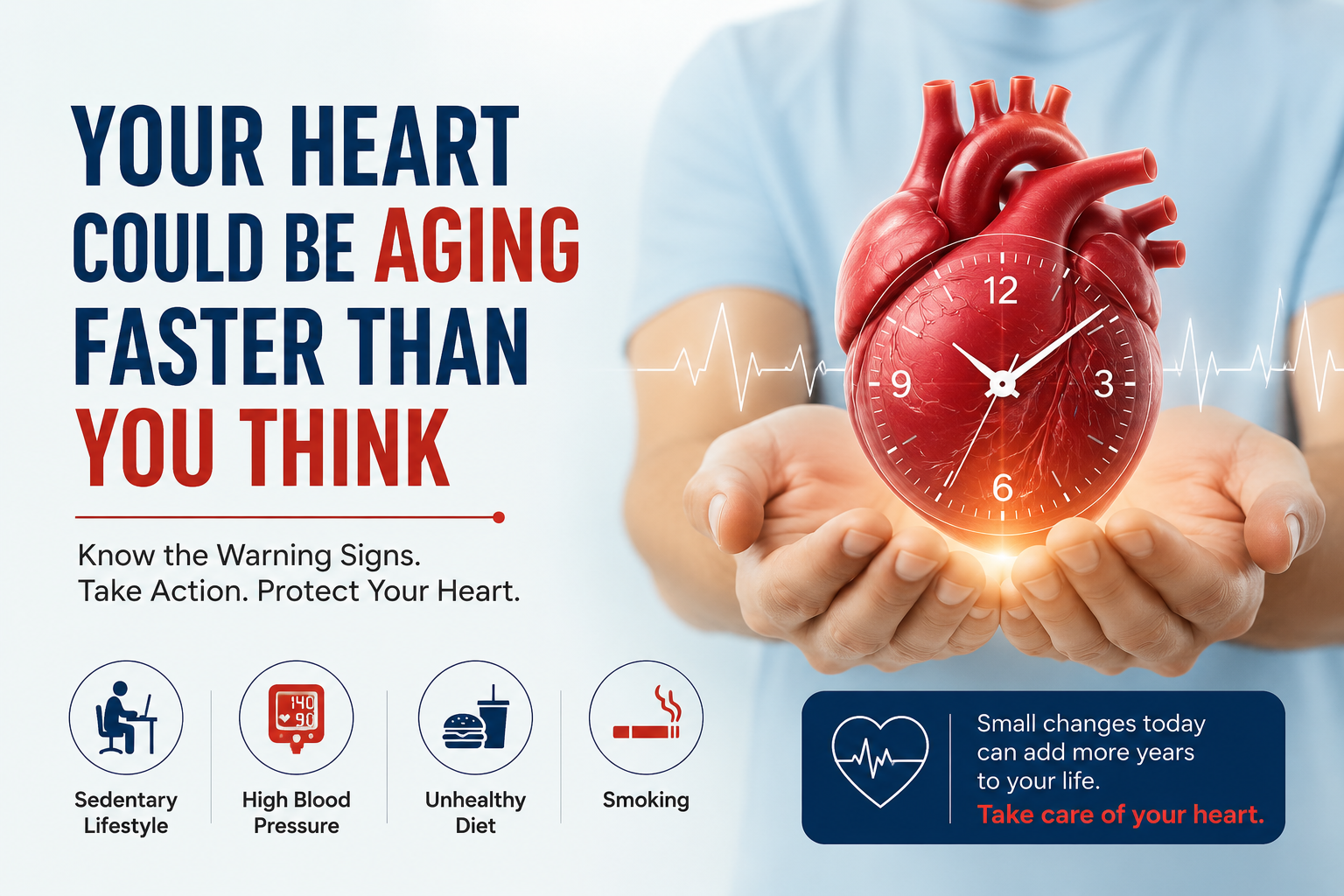
Most people know their age, but very few know their heart age. While you may be 40 years old on paper, your heart could be functioning like that of someone who is 55 or even 60. This difference is known as heart age, and it reflects how healthy your heart and blood vessels are compared to your actual age.
An older heart age means a higher risk of heart attack, stroke, and other cardiovascular diseases. The good news is that heart aging is not always permanent. With timely lifestyle changes and appropriate medical care, you can significantly reduce your risk.
In this article, Dr. Vaibhav Mishra, an experienced cardiac surgeon, explains why your heart may be aging faster than expected, the warning signs to watch for, and practical steps to keep your heart healthy.
What Is Heart Age?
Heart age is an estimate of the overall health of your cardiovascular system. It is calculated by considering several factors, including:
- Blood pressure
- Cholesterol levels
- Blood sugar
- Smoking habits
- Body weight
- Physical activity
- Family history of heart disease
If these risk factors are poorly controlled, your heart age may be significantly older than your actual age.
Why Can Your Heart Age Faster?
Several lifestyle habits and medical conditions can accelerate the aging of your heart.
High Blood Pressure
Persistent high blood pressure forces your heart to work harder, gradually weakening the heart muscle and damaging blood vessels.
Diabetes
High blood sugar damages blood vessels over time and increases the risk of coronary artery disease.
High Cholesterol
Excess cholesterol can accumulate inside the arteries, reducing blood flow to the heart.
Smoking
Smoking damages blood vessels, reduces oxygen supply, and dramatically increases the risk of heart attack.
Lack of Physical Activity
A sedentary lifestyle weakens the heart and contributes to obesity, diabetes, and hypertension.
Obesity
Excess body weight increases the workload on the heart and is associated with multiple cardiovascular risk factors.
Chronic Stress
Long-term stress can increase blood pressure, disturb sleep, and promote unhealthy lifestyle choices.
10 Warning Signs Your Heart Could Be Aging Faster Than You Think
- Breathlessness During Routine Activities
If climbing one or two flights of stairs leaves you unusually short of breath, it may indicate reduced heart function.
- Chest Pain or Pressure
Discomfort, heaviness, or tightness in the chest—especially during exertion—should never be ignored.
- Fatigue That Doesn’t Improve With Rest
Persistent tiredness without an obvious cause can sometimes indicate that your heart is not pumping efficiently.
- High Blood Pressure
Blood pressure that remains elevated despite medication may increase your heart age.
- Reduced Exercise Capacity
If activities you previously managed easily now feel exhausting, it may be a warning sign.
- Irregular Heartbeat or Palpitations
Frequent palpitations or episodes of a racing heartbeat should be evaluated by a cardiologist.
- Poor Sleep
Sleep disorders, particularly obstructive sleep apnoea, are linked to an increased risk of heart disease.
- Swelling in the Feet or Ankles
Fluid retention can occur when the heart is unable to pump blood effectively.
- Erectile Dysfunction in Men
Difficulty maintaining an erection may sometimes be an early indicator of poor blood vessel health and cardiovascular disease.
- Strong Family History of Heart Disease
A family history of premature heart attacks increases your own cardiovascular risk, even if you currently feel healthy.
Who Is at Higher Risk?
You should pay special attention to your heart health if you:
- Are over 40 years of age
- Have diabetes
- Have high blood pressure
- Have high cholesterol
- Smoke or use tobacco
- Are overweight
- Lead a sedentary lifestyle
- Have a family history of heart disease
- Experience chronic stress
- Have poor sleep habits
How Is Heart Health Evaluated?
A comprehensive heart assessment may include:
- Blood pressure measurement
- Blood sugar testing
- Lipid profile
- Electrocardiogram (ECG)
- Echocardiography
- Treadmill Test (TMT)
- CT Coronary Angiography (when indicated)
- Coronary Angiography for selected patients
Your doctor will recommend the appropriate investigations based on your symptoms and risk profile.
Can You Make Your Heart Younger?
Yes. Although aging cannot be stopped, many factors that increase heart age can be improved.
Eat a Heart-Healthy Diet
Choose fruits, vegetables, whole grains, lean protein, nuts, and healthy fats while limiting processed foods, excess salt, and sugary drinks.
Exercise Regularly
Aim for at least 150 minutes of moderate-intensity exercise each week, along with muscle-strengthening activities.
Control Blood Pressure, Cholesterol, and Diabetes
Regular monitoring and adherence to treatment play a major role in reducing cardiovascular risk.
Quit Smoking
Stopping smoking begins to lower cardiovascular risk almost immediately, with benefits increasing over time.
Maintain a Healthy Weight
Even modest weight loss can improve blood pressure, cholesterol, and blood sugar levels.
Manage Stress
Meditation, yoga, deep breathing, and adequate sleep help reduce the harmful effects of chronic stress.
Schedule Regular Heart Check-ups
Early detection allows timely intervention and may prevent serious complications.
When Should You Consult a Cardiac Surgeon?
Seek medical attention if you experience:
- Chest pain
- Breathlessness
- Recurrent dizziness
- Fainting episodes
- Reduced exercise tolerance
- Abnormal heart test results
- A strong family history of heart disease with multiple risk factors
Early evaluation helps identify problems before they become life-threatening.
Frequently Asked Questions
What is heart age?
Heart age estimates the health of your heart and blood vessels based on your risk factors rather than your date of birth.
Can my heart be older than my actual age?
Yes. Conditions such as high blood pressure, diabetes, smoking, obesity, and high cholesterol can make your heart age faster.
Can heart age be reduced?
In many people, improving lifestyle habits and controlling medical conditions can lower cardiovascular risk and improve overall heart health.
How often should I have my heart checked?
Adults with risk factors such as diabetes, hypertension, high cholesterol, or a family history of heart disease should undergo regular heart health evaluations as advised by their doctor.
Is heart disease preventable?
Many cases of heart disease can be prevented or delayed through healthy lifestyle choices, regular health screenings, and timely treatment of underlying conditions.
Conclusion
Your heart does not always age at the same pace as the rest of your body. Everyday habits, medical conditions, and family history can accelerate heart aging long before noticeable symptoms appear.
The encouraging news is that most cardiovascular risk factors can be identified and managed. Paying attention to warning signs, adopting a heart-healthy lifestyle, and seeking timely medical advice can help protect your heart for years to come.
If you have risk factors for heart disease or experience symptoms such as chest discomfort, breathlessness, or unexplained fatigue, don’t delay a professional evaluation. Early action can make a significant difference in maintaining a healthy heart and preventing future complications.